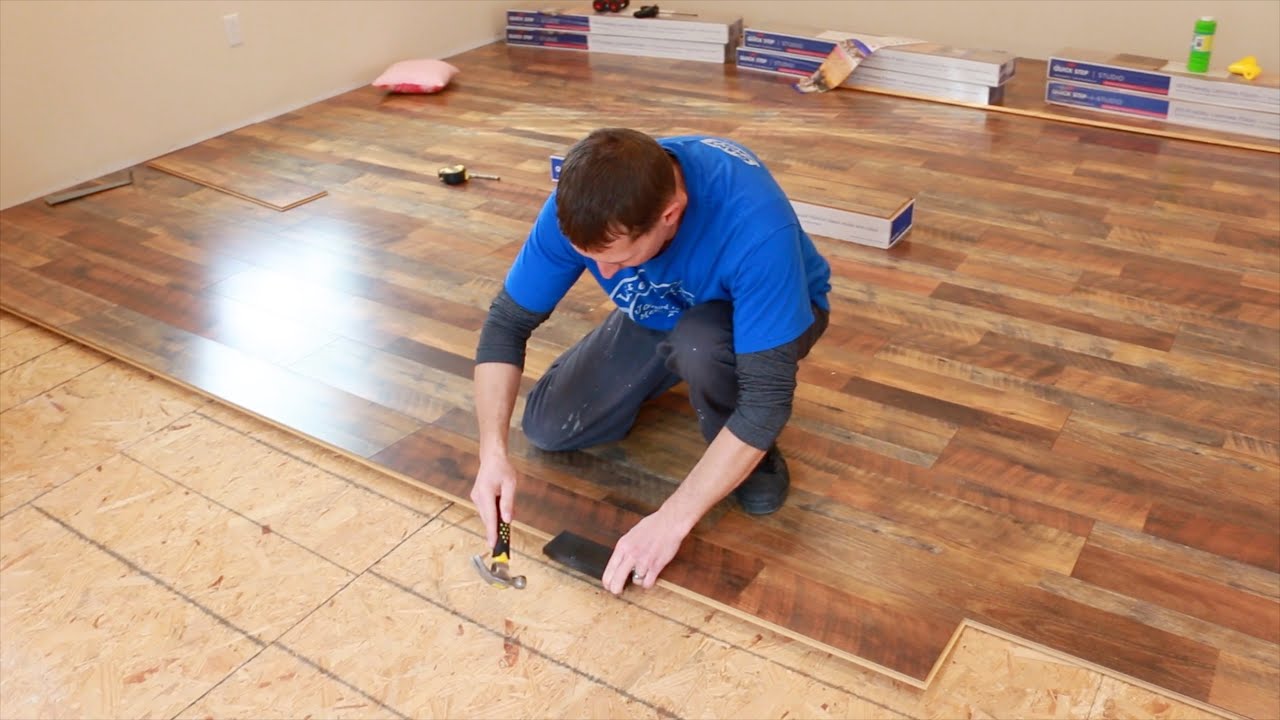
20 Great Pieces Of Advice For Picking Floor Installation
Wiki Article
Subfloor Repairs Are Important Prior To Any New Floor Installation
Subfloor repair may be the less glamorous part of flooring installation that nobody talks about -- and nobody wants to shell out money for. It's not obvious when it's finished, it doesn't photograph well or adds cost to an amount that homeowners have often already mentally committed to one particular amount. It's, without question, the single major factor in determining whether flooring performs how it is supposed to or begins to fail within the first year. The housing stock of Philadelphia including rowhomes, twins as well as older colonial properties across Bucks County, Delaware County ranches with crawlspaces -- is especially susceptible to subfloor issues that remain unnoticed until a brand new floor is put down and starts to show signs of them. Here's the most important thing every homeowner needs to know prior to installation.
1. The Subfloor is what your new Floor Is Actually Attached
This sounds obvious but gets lost in the excitement that comes with choosing materials. If you're installing hardwood that's nail-down, glue-down LVP floating laminate as well as porcelain tile. The finished flooring is only as strong as the flooring underneath. A subfloor with soft areas, flaws, moisture loss, or unevenness does not disappear once you cover it with new flooring- it telegraphs every problem upward, often within months. The licensed flooring installers analyze the subfloor before they evaluate anything else due to this reason.
2. The older homes in Philadelphia have subfloor Conditions that frighten contractors
Homes built before 1960 across Philadelphia, South Jersey, and surrounding counties typically have subfloors that are diagonal rather than plywood, this was a method of construction that was a common practice at the time however it poses real challenges for flooring installations in modern times. Board floors are more prone to slipping and can with gaps between planks and often require an additional layer of new plywood before tile or hardwood installation is possible. Contractors who do not mention this in the estimate didn't do their homework or are contemplating working around it and create problems later.
3. Soft Spots are a Safety Signal, Not an Problem
A swollen spot on your subfloor - an area that feels slightly when you walk over it, typically indicates water damage, rot or delamination of the floor material itself. Installing flooring on an area that is soft doesn't solve this issue. It just conceals it for a short period while the damage persists beneath. For hardwood flooring within Philadelphia specifically, soft spots pose a serious threat to the staple or nail anchor that keeps the floor in place. Floors that start lifting or squeaking from the subfloor almost always results from a soft area that wasn't treated prior to installation.
4. The variation in level affects every flooring Type differently
A majority of flooring manufacturers provide a maximum permissible variation in subfloor flatness. This is usually 3/16 of an inch over a 10-foot span. Tolerating this level of tolerance affects different material in different ways. Tile flooring is the least tolerable: high spots chip tiles, while low spots break grout lines and a uneven subfloor that is covered with large-format stone is an assurance of callbacks. LVP handles minor variations better than others, but major valleys or ridges do show through over time. Hardwood transmits unevenness through hollow spots or movement. Subfloor leveling compounds or targeted grinding are the best options, but skipping them is part of the issue.
5. Moisture in the Subfloor is a distinct problem in comparison to the Humidity of Households
These are two different issues that require separate solutions. Ambient indoor humidity affects how wood flooring expands with the seasons. Subfloor moisture -transfer of vapors through concrete, wicking through old board subfloors, or the dampness from leaks in the past -- directly attacks the bonds of adhesive, causing floating flooring to buckle and promotes mold growth beneath flooring that has been laid. A proper moisture reading before floor installation at Philadelphia houses should be standard procedure. On jobs where it isn't completed the contractor has to assume instead of understanding the specifics of what they're dealing with.
6. Concrete Slabs are required to test for moisture Before Glue-Down Installation
The glue-down process for hardwood and LVP installation on concrete is typical within Delaware County and South Jersey homes that have slab-on-grade construction. But what's not usually explained to homeowners is the fact that concrete slabs release moisture vapor throughout the day, and this determines the effectiveness of the adhesive. One slab who passes a visual inspection can still fail a calcium chloride test or a relative humidity probe test. Flooring adhesive placed over a slab that has a lot of emissions of vapor will break down its bond -- in some cases within an entire year. Then, the floor may begin to shift, bubble or break.
7. Subfloor Repair Costs are difficult to estimate without looking
This is the reason trustworthy flooring companies won't give you a precise all-in cost via phone. Subfloor repairs in Philadelphia can vary from a basic patch of wood for $200 up to a few dollars per square foot for the vast area with extensive moisture damage. The only way to know you're in the right place is to have a look at the subfloor and a correct assessment. Contractors who are pressured by homeowners to get a locked-in number before they has even inspected the subfloor will create an event where either the contractor has to construct a substantial possibility or cuts corners when difficulties arise in the middle of the job.
8. Tile Installation is the most Affirmative Test of Subfloor Integrity
Porcelain and ceramic tile have no flexibility -- they transfer stress directly on the bond beneath them. A subfloor with substantial flex is likely to crack grout and tile no matter their quality. was laid. The minimum requirement for installation of tile is a subfloor that is stiff enough to satisfy standard of deflection that engineers have as L/360- meaning a 10-foot span cannot deflect more than 1/3 inches when under tension. Older Philadelphia houses often fall short of this standard without reinforcement. Tile installation problems in bathrooms in older homes are almost always a subfloor stiffness problem in disguise.
9. Resolving the Subfloor now will protect the Refinishing Value later
One of the hardwood flooring's major benefit over time is the capability to polish and sand it several times over the course of decades. It's disadvantage is if the subfloor beneath it is compromised. Floor sanding and refinishing to be done in Philadelphia requires a solid flooring that is properly secured -and one that doesn't sway, move or flex when sanding equipment is used. Subfloor issues that weren't a problem at the time of installation are a big issue after refinishing is attempted a few over a period of time. Making sure the floor is properly repaired from the beginning can ensure you're prepared for any subsequent service the floor will ever require.
10. The Contractors who spot Subfloor Problems Are the ones to consider Finding
It might feel counterintuitive -anyone doesn't like hearing how their job became higher-cost before it even began. However, a flooring company that takes a walk around your room, is aware of subfloor problems, and incorporates repair within their scope is doing exactly what a professional would do. The ones who don't talk about it, make a low-priced quote, and start laying flooring over a subfloor in danger is the one who gets the bad reviews a few months after. When you're getting flooring estimates in Philadelphia in the first place, the level of inspection before a quote is made tells you everything you need to know about the flooring installation will be. Have a look at the most popular
hardwood floor refinishing cost Philadelphia for more advice including flooring installation near me Philadelphia, wood floor restoration Philadelphia, porcelain tile installation Philadelphia, flooring installation Philadelphia, free flooring estimate Philadelphia, flooring installers Philadelphia, custom hardwood staining Philadelphia, flooring estimate Philadelphia, porcelain tile installation Philadelphia, hardwood floor refinishing cost Philadelphia and more.

Hardwood Refinishing Vs. Replacement: What's The Difference?
Carpets of wood in Philadelphia houses have a long history behind the wood -- floors of oak that were part of a Germantown twin large pine planks in the Chestnut Hill colonial home, and a long-lasting hardwood flooring in a Delaware County ranch that's seen three families. When floors appear scratchy, the thought is often to replace them. But it's not always the correct choice, and refinishing isn't always the cheapest option however it appears so at first glance. The decision between sanding and refinishing existing hardwood versus pulling the floor and refinishing it depends on factors that only become apparent when someone that understands what they're looking at takes a closer look at the floor. Here's how to think through it before committing to either way.
1. The Floor Thickness is the first Aspect That Will Determine Your Options
Solid hardwood may be sanded as well as renovated multiple times in its lifespan, but not indefinitely. Each time you refinish, you remove a thin layer of wood, and after the floor has been taken down to the tongue and groove system for fastening, it can't be sanded again with safety. The most solid hardwoods are 3/4 inch thick with roughly 1/4 inch more material on top of the tongue to be sanded. Flooring experts can measure remaining thickness using the gauge located in a concealed spot -- that reading far more important than any other will tell whether refinishing is on the table.
2. Engineered Hardwood It has a narrower, more refined refinishing Window
Engineered hardwood flooring has grown drastically across Philadelphia, Bucks County, and Montgomery County homes over the past two decades. many homeowners are unaware that their flooring is engineered until the need to refinish is required. The real wood veneer layer in engineered hardwood is a bit thinner than solid -ranging from 1mm to 6mm depending on the wood product which restricts the number of times one can finish sanding. Thin veneer engineered wood can not be able for a single refinishing process, or perhaps none at all. Be aware of the options you have before making the assumption that refinishing is feasible will save your time from wasting a trip to estimate.
3. Refinishing will cost significantly less than Replacement in the majority of cases.
Floor sanding and refinishing in Philadelphia typically ranges from $3 to $ 6 per square foot. Flooring replacement for hardwood in full -removal of the flooring, subfloor assessment, new material, and installation -- can run $10 to $20 per square foot or more based upon species and process. for a 500 square-foot space, it's the difference between the $1,500-$3,300 job and a $5,000-$10,000 one. If the floor in question has adequate thickness and is free of structural issues to be concerned, refinishing is a great option. It will give you almost all of the visual effect of brand new floors for costs that are a fraction.
4. Surface Damage is Almost never a reason to replace
Scuffs, scratches, dullness, minor staining, and surface-level discoloration are precisely the problems floor sanding and polishing can be used to treat. The appearance of these conditions is worse than they actually. A proper sanding step removes the damaged surface layer entirely and brings the floor back to bare wood, at when custom staining and finishing will restore the appearance of the floor completely. Philadelphia homeowners who want to replace floors due a surface issue that could have easily refinished are making a costly decision based more on style and design than real.
5. Structural Damage alters the calculation Incompletely
Warping, cupping, or significant water damage that has penetrated below the surface as well as rot that has reached the board at the floor level and flooring that have huge gaps or sections that are missing are different issues than scratch marks on the surface. Refinishing tackles surface issues -however it cannot fix a board that has shifted structurally due to moisture neither can it repair floors in which the subfloor below has failed. If structural damage is evident and the truthful assessment of an experienced flooring professional could be that replacement is the only path to the floor that can perform efficiently, not just appear better for a short period of time.
6. Prior Refinishing History Influences the current decision
A floor made of hardwood that has had to be refinished three or four times during its lifetime could have little left over the tongue regardless of how thick it was at the beginning. But, the original hardwood flooring in the interior of a Philadelphia home that's never been completed -- which is quite common for older properties -- might have plenty of remaining thickness even if it appears rough. The appearance of the floor isn't a reliable indicator of possibilities of refinishing. Physical measurements and, in some cases pulling a vent from the floor to inspect a cross-section is how a professional actually determines what's left.
7. Custom staining for refinishing could Make a Floor's look more attractive
One of the advantages of refinishing that's not often recognized is the ability to change colour of the floor. Custom hardwood staining in Philadelphia is a component of the process of refinishing -- after the floor is sanded back to bare timber, a stain has to be applied prior to the finish coats go down. People who live on the orange-toned wood of the 1990s for years may be surprised to find that the same wood are now a cool gray or a rich walnut or a warm natural based upon the species and type of stain. There is no need to replace them in order to change the appearance of your home dramatically.
8. Incorporating new Hardwood to existing flooring is Harder Than It Sound
One instance that could push homeowners to complete replacement is when only a portion of a floor has to be addressed -- one that has suffered water damage, or in expansion, or an area that was previously carpeted. Installing new hardwood to match existing older hardwood in remainder of the house is quite difficult. Wood species, cuts, grain pattern, and years of patina do not replicate exactly when you replace the material. Flooring contractors in Delaware County and South Jersey that are honest will advise you that a complete Refinishing of the entire floor after patching is usually the only option to get aesthetic consistency.
9. New Material Opens the Door to Upgrade the Material Completely
Sometimes the right answer is replacement not since refinishing would be impossible, but rather because the floor isn't worth keeping. The softwood is low-grade and easily scratches flooring, floors with extensive subfloor issues that have to be dealt with on their own, or rooms where the layout has changed, and the old flooring is no longer a good fit This is a situation in which replacement can offer a substantial upgrade. It is possible to switch from worn softwood white oak hardwood or from damaged real hardwood to engineered better suited for the property's moisture conditions, is a different decision from replacing a flooring that is refinishable, but not necessarily.
10. Be sure to take the assessment before You Choose, Not After You've Select
The refinish or. replace decision must be taken after an expert has examined the flooring, not prior to. Most reputable flooring contractors in Philadelphia provide estimates for free that include this evaluation -- measuring the thickness of floors, identifying of structural and. surface damage, a moisture assessment, and a clear explanation of what each choice is about in terms as well as timeline and final results. Customers who ask for a quote on a replacement will often have already talked out of the possibility of refinishing that they've never really explored. The evaluation is completely free. If it turns out to be unnecessary or not needed, isn't. Have a look at the top View the top rated cheap flooring installation Philadelphia for website info including custom hardwood staining Philadelphia, ceramic tile flooring Philadelphia, luxury vinyl flooring Philadelphia, floor sanding and refinishing Philadelphia, tile flooring contractors Philadelphia PA, porcelain tile installation Philadelphia, free flooring estimate Philadelphia, waterproof flooring installation Philadelphia, flooring estimate Philadelphia, hardwood floor installation South Jersey and more.